Origin · 6 min read · February 2026
The Story of Indonesian Vanilla
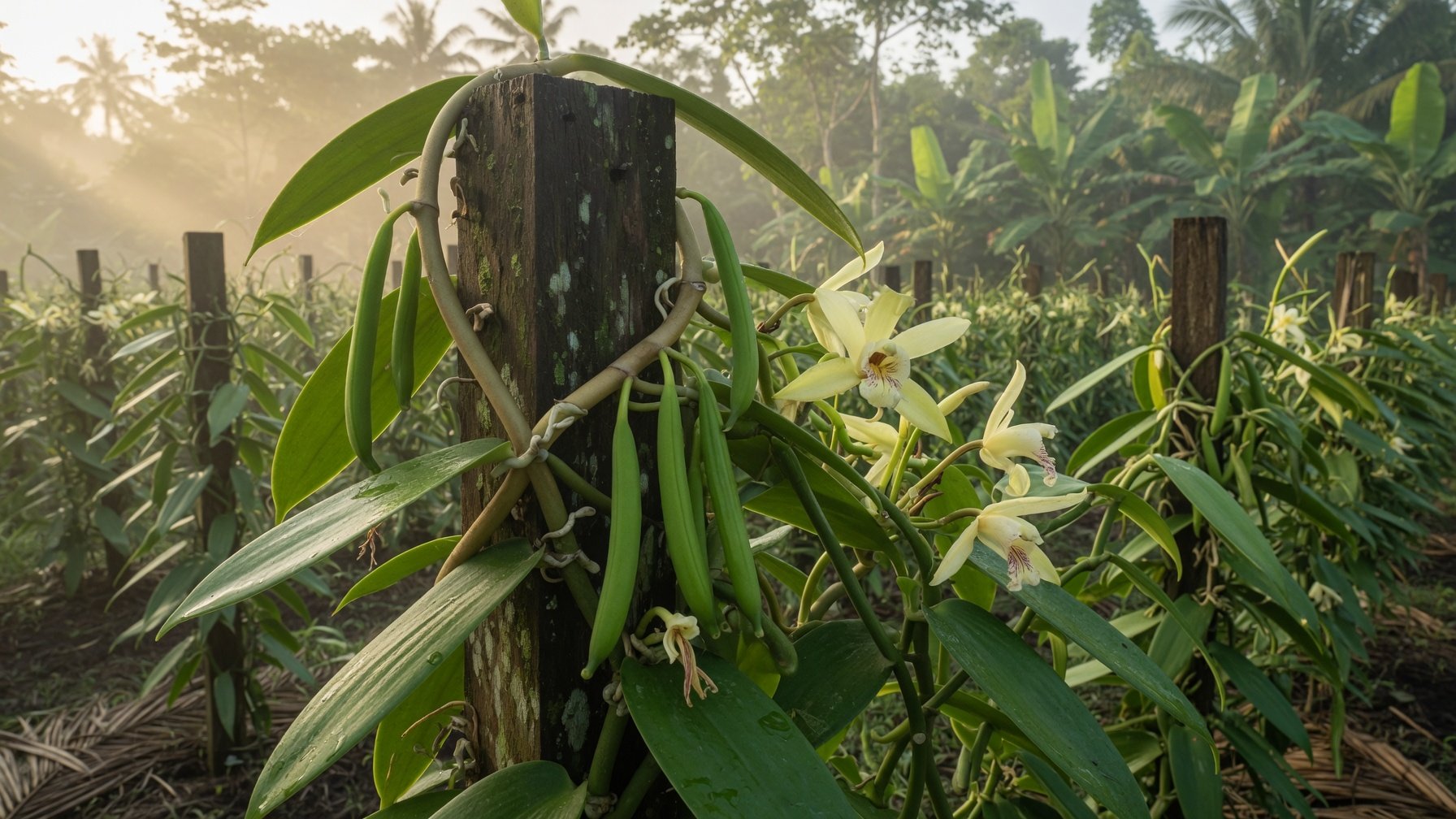
Vanilla reached Indonesia in the late nineteenth century, carried across from Réunion by Dutch traders. It took hold in the volcanic soil and humid valleys of several islands, and over the following century it became a quiet but important part of local agriculture.
What makes Indonesian vanilla its own thing is place and practice. The vines climb tree supports rather than poles. Flowers — open for a single day — are pollinated by hand, one by one. And the pods are left on the vine until they are truly ripe, which is what gives the finished bean its depth.
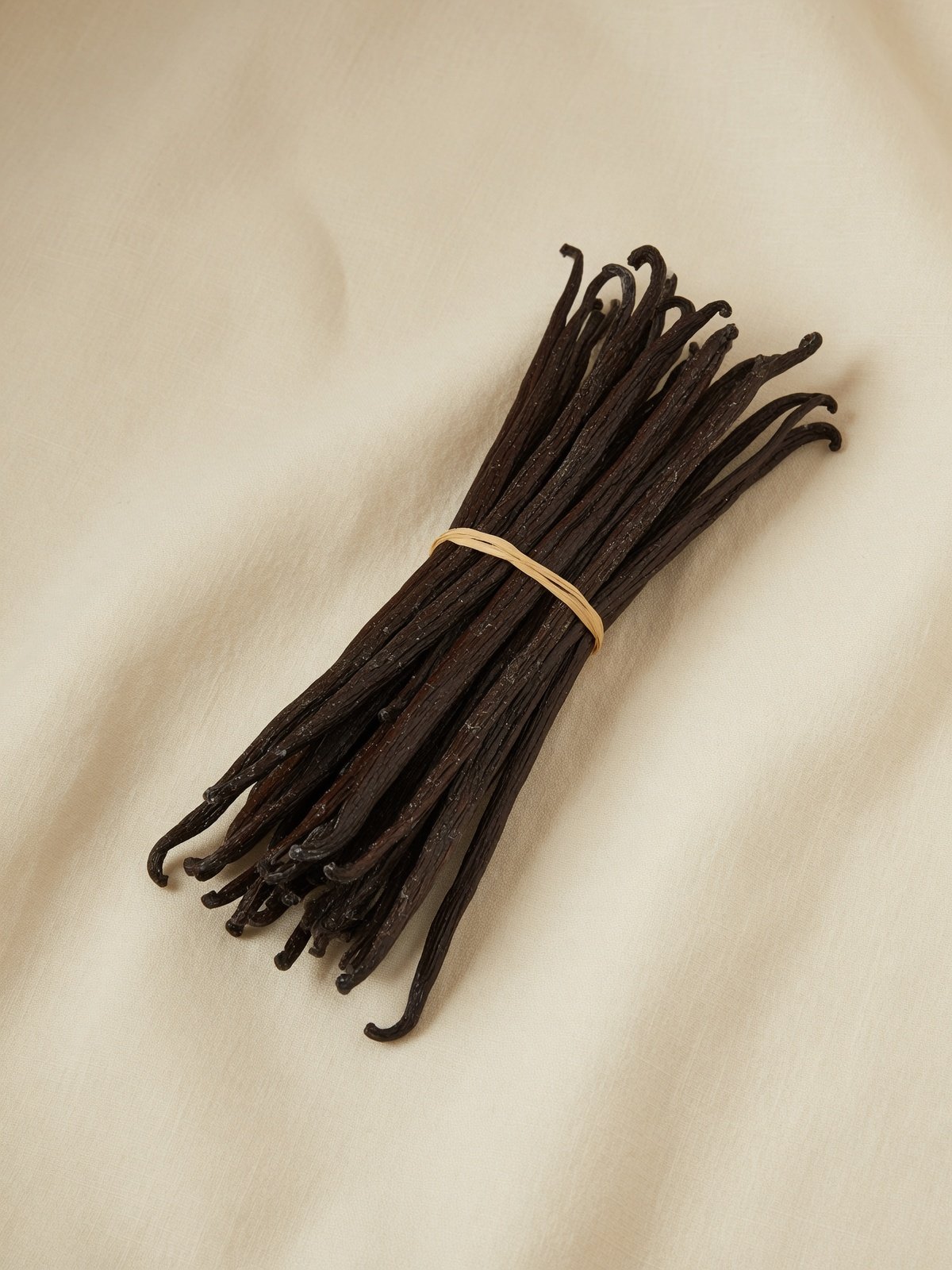
Ripeness is the word to hold onto. Picked too early, a pod cures pale and thin. Picked at the right moment, it cures dark, pliable and fragrant — dense with the compounds that become the aroma we chase in a finished dish.
Inavanilla works within this tradition. We don't try to make something different from Indonesian vanilla. We try to present it honestly: the character of the origin, the weight of the craft, and a product that stands on flavour alone.
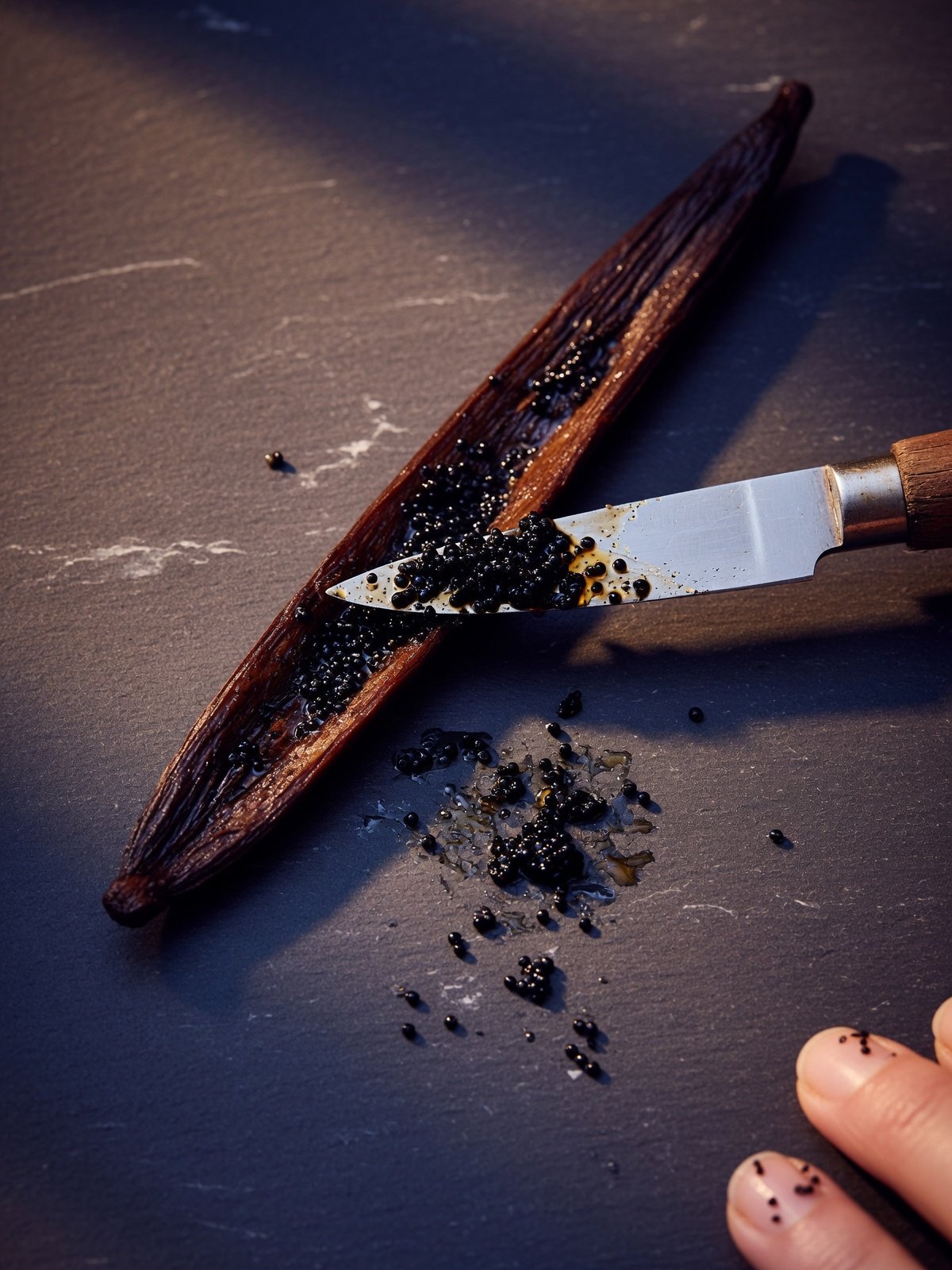
When you split a cured Indonesian pod and the smell fills the room, that isn't a marketing idea. That's a century of growers doing one difficult thing, well.